Forager's Equipment
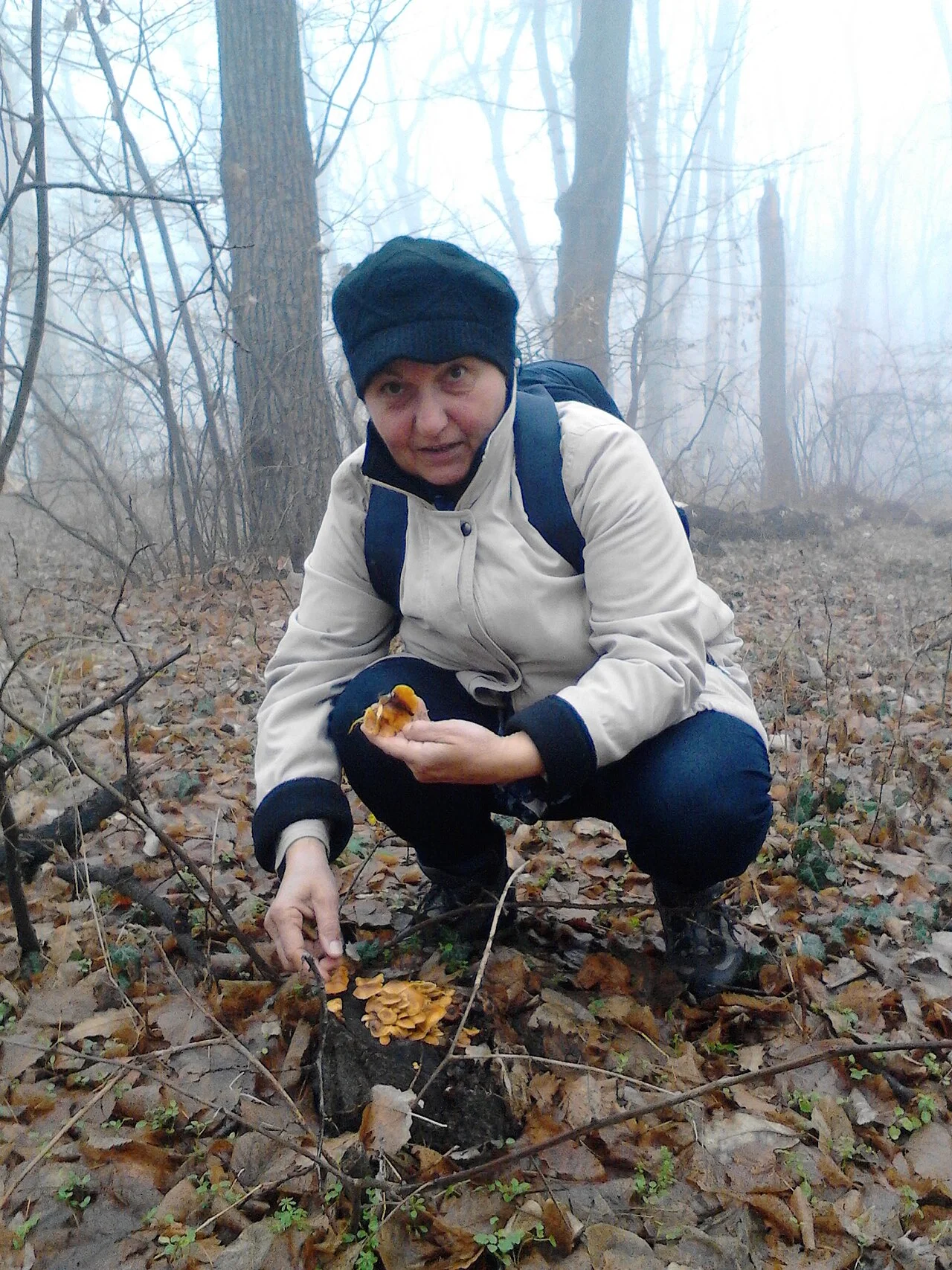
Essential Equipment
Basket (cesto de vime)
A wicker basket is the forager’s most important piece of equipment. In Portugal, traditional baskets woven from willow (vime) by craftspeople in central and northern regions are widely available.
Why not a plastic bag?
| Issue | Basket | Plastic bag |
|---|---|---|
| Ventilation | Free air circulation | Mushrooms overheat, sweat, and spoil within hours |
| Spore dispersal | Spores fall through gaps as you walk | Completely blocks spore dispersal |
| Protection | Rigid structure prevents crushing | Mushrooms get squashed and crumble |
Knife (faca, navalha)
Specialised mushroom knives feature:
- A curved blade for easy cutting
- A natural bristle brush on the handle for cleaning
- A blade-locking mechanism for safety
Opinel No. 08 Mushroom Knife — a classic choice: 8 cm curved stainless steel blade, beech handle, wild boar bristle brush. Widely available in Europe.
Brush (escova)
Usually integrated into the knife handle. Used to clean mushrooms of soil and needles in the field — this cuts down on kitchen work and prevents contamination of other mushrooms in the basket.
Field guide (guia de campo)
Essential for safe identification. Look for a guide focusing on Iberian or European mycology. Portuguese online resource: Fungipedia Portugal (pt.fungipedia.org).
Additional Equipment
| Item | Purpose |
|---|---|
| GPS / compass | Navigation in unfamiliar forests, marking productive spots |
| Waterproof clothing (impermeável) | Autumn rain in Portugal is the norm |
| Hiking boots (botas de caminhada) | Protection on slippery trails |
| First aid kit | Cuts, tick bites, allergic reactions |
| Walking stick (pau) | For parting leaf litter — DGADR recommendation (instead of rakes!) |
| Paper bags / wax paper | For keeping species separate in the basket |
Identification Tools
Hand lens (lupa de mão)
10x magnification — the standard for field mycology. Allows you to examine hymenophore details, cap surface texture, and spore ornamentation.
Spore print (esporada)
One of the most important diagnostic features:
- Place the cap gill-side down on paper (half white, half black)
- Cover with a bowl to maintain humidity
- Leave for 6–24 hours
- The colour of the print is key to determining the genus
Chemical reagents (for experienced foragers)
| Reagent | Use | Key genera |
|---|---|---|
| KOH (potassium hydroxide) | Colour reaction on cap/gills | Boletus, Cortinarius |
| FeSO4 (iron sulphate) | 10% solution, reaction on flesh | Russula, Boletus |
| Melzer’s reagent | Spore amyloidity (microscopy) | Universal |
Photography for Identification
Good photographs are key to getting expert opinions in online communities and consultations.
Essential angles:
- Top view — shape, colour, texture of the cap
- Underside — hymenophore type (gills, tubes, spines), attachment to stem
- Side view — overall profile, proportions
- Cross-section — flesh colour, colour changes
- Stem base — volva (you must dig it up!)
Tips:
- Shoot from ground level for natural proportions
- Include a scale object (coin, ruler)
- Overcast days are ideal — no glare on the cap
- Document the substrate: what the mushroom is growing on, what trees are nearby
Apps and Digital Tools
| App | Features |
|---|---|
| iNaturalist | AI + expert community verification; citizen science |
| Picture Mushroom | AI photo identification |
| Shroomify | Digital identification key with step-by-step guides, 400+ species |
| Fungipedia (pt.fungipedia.org) | Portuguese online guide |
Safety in the Field
| Item | Purpose |
|---|---|
| Whistle (apito) | SOS signalling |
| Charged phone | Emergency calls, GPS navigation |
| Power bank | For long outings |
Emergency numbers:
- 112 — European universal emergency number (free, 24/7)
- 800 250 250 — CIAV (Centro de Informação Antivenenos) — for mushroom poisoning
Prohibited Tools
| Item | Why prohibited |
|---|---|
| Rakes, hoes (ancinhos, enxadas) | Destroy leaf litter and topsoil, damage mycelium (directly banned by DGADR) |
| Plastic bags | No ventilation, accelerate spoilage, block spore dispersal |
| Buckets, sealed containers | Condensation, no ventilation |
From the DGADR “Manual de Boas Práticas”:
“Não use sachos, enxadas, ancinhos ou outros utensílios que arrastem a caruma ou a folhada. Use em alternativa um pau, uma navalha ou outro utensílio que não remova a camada superficial do solo.”
(Do not use hoes, rakes or other tools that drag away the pine needles or leaf litter. Instead, use a stick, a knife or another tool that does not remove the surface layer of soil.)
Where to Buy Equipment in Portugal
| Shop | What you can find |
|---|---|
| Fungiperfect (loja.fungiperfect.com) | Baskets, mycological equipment, training |
| Decathlon Portugal (decathlon.pt) | Boots, backpacks, waterproofs, first aid kits |
| Local markets (feiras) | Handmade wicker baskets (cesto de vime) |
Image sources
- equipment.webp — Mushroom foraging — a basket of harvest in the forest. Author: Prirodnjak. License: CC BY-SA 4.0. Source
Sources
- DGADR — Manual de Boas Práticas de Colheita e Consumo de Cogumelos Silvestres
- DRAPC/CCDRC — Boas Práticas de Colheita de Cogumelos Silvestres
- CCRES — Centro de Competências dos Recursos Silvestres
- Fungiperfect — loja.fungiperfect.com
- Fungipedia Portugal — pt.fungipedia.org
All our knowledge is free. Creating it is not.
☕ Support on Ko-fi