Top 10 Mushroom Regions in Portugal
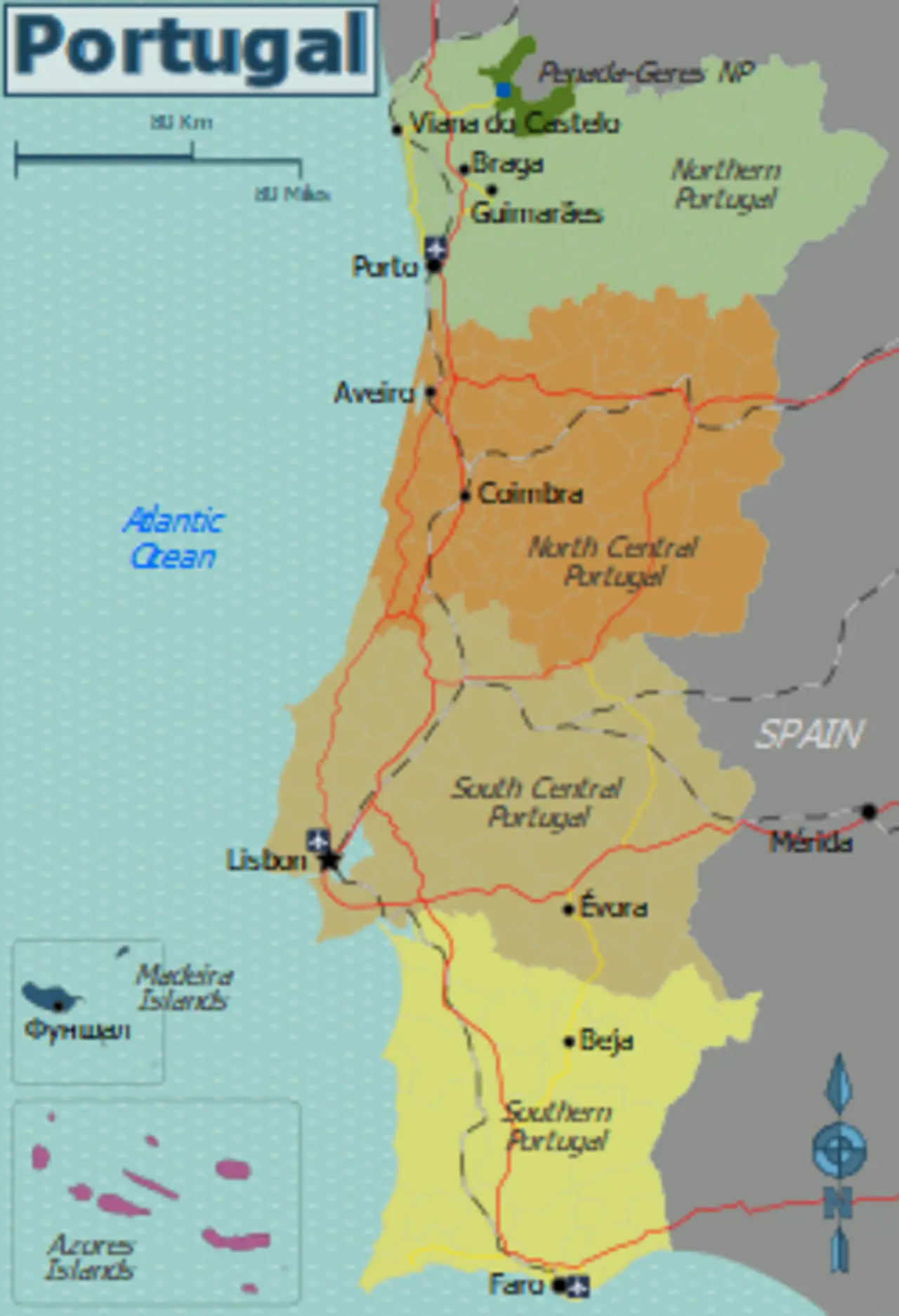
The 10 Best Regions for Mushroom Hunting
Portugal is a country of contrasting ecosystems: from wet Atlantic forests in the north to dry Mediterranean montado in the south. Each region offers its own unique species and foraging experience.
This ranking is based on species diversity, accessibility, infrastructure (organized walks, festivals), and foraging potential for seasonal collecting.
1. Trás-os-Montes
Portugal’s mushroom capital.
| Parameter | Details |
|---|---|
| Key areas | Montesinho, Mogadouro, Vinhais, Bragança |
| Ecosystems | Chestnut and oak forests (Q. pyrenaica, Q. robur, Castanea sativa) |
| Key species | Boletus edulis, Amanita caesarea, Cantharellus cibarius, Lactarius deliciosus |
| Season | October–December |
| From Lisbon | ~4.5 hours |
| Rainfall | 800–1,200 mm/year |
Why #1: Maximum species diversity, foraging traditions, Centro Micológico de Vinhais (the country’s only one), A Pantorra association (1,000+ catalogued species), Encontro Micológico Transmontano — the oldest mycological event (since 1999).
Tip: Parque Natural de Montesinho (74,225 ha) is the best entry point. Its chestnut forests are among the oldest in Europe.
2. Serra da Gardunha / Fundão
Home of the Míscaros festival.
| Parameter | Details |
|---|---|
| Key areas | Alcaide, Fundão, Serra da Gardunha |
| Ecosystems | Chestnut + oak forests, up to 1,227 m elevation |
| Key species | Saffron milk caps (míscaros), boletes, Macrolepiota procera |
| Season | October–December |
| From Lisbon | ~2.5 hours |
| Species | 500+ identified |
Why #2: Míscaros — Portugal’s largest mushroom festival (20,000–30,000 visitors), Casa do Cogumelo da Gardunha (permanent centre), Portugal’s first mycological reserve (80 ha, since 2024). José Matos identified ~500 species on his property alone (Quinta Vale d’Encantos).
Tip: Come for the Míscaros festival in November and book the passeio micológico well in advance.
3. Serra da Estrela
Largest mountain range — greatest diversity.
| Parameter | Details |
|---|---|
| Key areas | Seia, Gouveia, Manteigas |
| Ecosystems | Oak forests, chestnut forests, mountain meadows, up to 1,993 m |
| Key species | Boletus edulis, B. pinophilus, Russula spp., Hydnum repandum |
| Season | October–November |
| From Lisbon | ~3 hours |
Why #3: UNESCO World Geopark. Altitudinal zonation creates numerous ecological niches — from Mediterranean oaks at lower elevations to subalpine meadows at the top. A classic set of bolete species.
Tip: Look for porcini under chestnuts at 600–1,000 m elevation.
4. Minho
Green and wet — ideal for mushrooms.
| Parameter | Details |
|---|---|
| Key areas | Paredes de Coura, Peneda-Gerês, Monção |
| Ecosystems | Oak forests (Q. robur), chestnut groves, Atlantic climate |
| Key species | Boletes, chanterelles, Morchella esculenta (spring) |
| Season | October–December (autumn), March–April (spring) |
| From Porto | ~1.5 hours |
| Rainfall | 1,200–2,000 mm/year |
Why #4: Portugal’s wettest region — mushrooms appear earlier and last longer. Jornadas Micológicas do Corno de Bico (since 2009). Peneda-Gerês is Portugal’s only national park.
Tip: In spring (March–April), look for morels under ash trees in river valleys.
5. Serra da Arrábida / Setúbal Peninsula
Mediterranean exotica at Lisbon’s doorstep.
| Parameter | Details |
|---|---|
| Key areas | Serra da Arrábida, Sesimbra, Mata dos Medos, Tróia |
| Ecosystems | Limestone forests, pine forests, maquis |
| Key species | Amanita caesarea, Russula, Lactarius deliciosus, Amanita torrendii (rare) |
| Season | October–December |
| From Lisbon | ~45 min |
Why #5: Three contrasting ecosystems in a compact area. Close to Lisbon. Organized walks (EcoFungos, CM Sesimbra). BioBlitz at Lagoa Pequena discovered 84+ species in just a few hours.
Tip: Mata Nacional dos Medos is perfect for beginners: flat terrain, abundant saffron milk caps under pines.
More: Setúbal Mushroom World
6. Serra de Sintra
Unique microclimate an hour from Lisbon.
| Parameter | Details |
|---|---|
| Key areas | Parque da Pena, Monserrate, Tapada Nacional |
| Ecosystems | Humid forest with Atlantic influence, exotic trees |
| Key species | Diverse mycoflora (humidity + warmth) |
| Season | October–December |
| From Lisbon | ~40 min |
Why #6: Sintra’s microclimate creates conditions atypical for the Mediterranean: high humidity, frequent fogs. Walks with Professor Baptista-Ferreira (one of the country’s leading mycologists). Parques de Sintra organizes regular “Cogumelos no Parque da Pena” events.
Tip: Book through GreenTrekker or Parques de Sintra — a guide with a scientific background makes the walk unforgettable.
7. Serra de São Mamede
A green oasis in dry Alentejo.
| Parameter | Details |
|---|---|
| Key areas | Portalegre, Castelo de Vide, Marvão |
| Ecosystems | Oak forests (Q. pyrenaica, Q. suber), chestnut |
| Key species | Boletes, Amanita spp., saffron milk caps |
| Season | October–December |
| From Lisbon | ~2.5 hours |
Why #7: Parque Natural de Serra de São Mamede — mycobiota research by the University of Évora. Elevation up to 1,025 m creates a cool, humid microclimate contrasting with the surrounding dry Alentejo.
8. Alentejo — Montado
Silarca and truffles — endemic species of the south.
| Parameter | Details |
|---|---|
| Key areas | Cabeça Gorda (Beja), Reguengos, Monsaraz |
| Ecosystems | Montado — cork oak and holm oak groves |
| Key species | Amanita ponderosa (silarca), Terfezia arenaria (truffle) |
| Season | February–April (different from other regions!) |
| From Lisbon | ~2 hours |
Why #8: Unique endemic species not found in the north. Silarca Festival in Cabeça Gorda (since 2015). Spring season — when the rest of Portugal is “sleeping”, Alentejo is just waking up.
Tip: Amanita ponderosa is a large, meaty mushroom with very high gastronomic value. But identification requires experience — don’t confuse it with A. phalloides!
9. Beira Interior
The heartland with traditions.
| Parameter | Details |
|---|---|
| Key areas | Castelo Branco, Pedrógão Grande, Belmonte |
| Ecosystems | Pine + chestnut forests |
| Key species | Saffron milk caps, boletes, Macrolepiota procera |
| Season | October–December |
| From Lisbon | ~2.5 hours |
Why #9: AMBI (Associação Micológica da Beira Interior, since 2001). Festival do Cogumelo Silvestre in Belmonte (December). Transition from Mediterranean to continental climate creates ecosystem diversity.
10. Ribatejo
Closest to Lisbon — mushrooms for city dwellers.
| Parameter | Details |
|---|---|
| Key areas | Chamusca, Golegã, mata ribatejana |
| Ecosystems | Riparian forests, pine plantations, meadows |
| Key species | Honey fungus, field mushrooms, Pleurotus ostreatus |
| Season | October–February |
| From Lisbon | ~1.5 hours |
Why #10: Festival do Cogumelo da Parreira (February). Proximity to Lisbon. The Tagus River’s floodplain forests create moist conditions even in dry years.
Comparison Table
| # | Region | Diversity | Access | Infrastructure | Season |
|---|---|---|---|---|---|
| 1 | Trás-os-Montes | ★★★★★ | ★★ | ★★★★★ | Oct–Dec |
| 2 | Serra da Gardunha | ★★★★ | ★★★ | ★★★★★ | Oct–Dec |
| 3 | Serra da Estrela | ★★★★ | ★★★ | ★★★ | Oct–Nov |
| 4 | Minho | ★★★★ | ★★★ | ★★★★ | Oct–Dec |
| 5 | Arrábida / Setúbal | ★★★ | ★★★★★ | ★★★★ | Oct–Dec |
| 6 | Sintra | ★★★ | ★★★★★ | ★★★★ | Oct–Dec |
| 7 | Serra de São Mamede | ★★★ | ★★★ | ★★ | Oct–Dec |
| 8 | Alentejo | ★★★ | ★★★★ | ★★★ | Feb–Apr |
| 9 | Beira Interior | ★★★ | ★★★ | ★★★ | Oct–Dec |
| 10 | Ribatejo | ★★ | ★★★★★ | ★★ | Oct–Feb |
Image sources
- top-10-regions.webp — Map of Portugal regions — top 10 mushroom spots. Author: Wikimedia Commons. License: CC BY-SA 3.0. Source
Sources
- A Pantorra — pantorra.pt (species cataloguing in Trás-os-Montes)
- Festival Míscaros — festivalmiscaros.pt
- ICNF — Parque Natural de Montesinho, Serra da Estrela, São Mamede, Arrábida
- Centro Micológico de Vinhais — parquebiologicodevinhais.com
- Universidade de Lisboa — Mycotourism in protected areas
- Portugal Farm Experiences — portugalfarmexperience.com
- GreenTrekker — Cogumelos Serra de Sintra
- PÚBLICO — Fundão: first mycological reserve in the country (2024)
All our knowledge is free. Creating it is not.
☕ Support on Ko-fi