Chestnut Forests
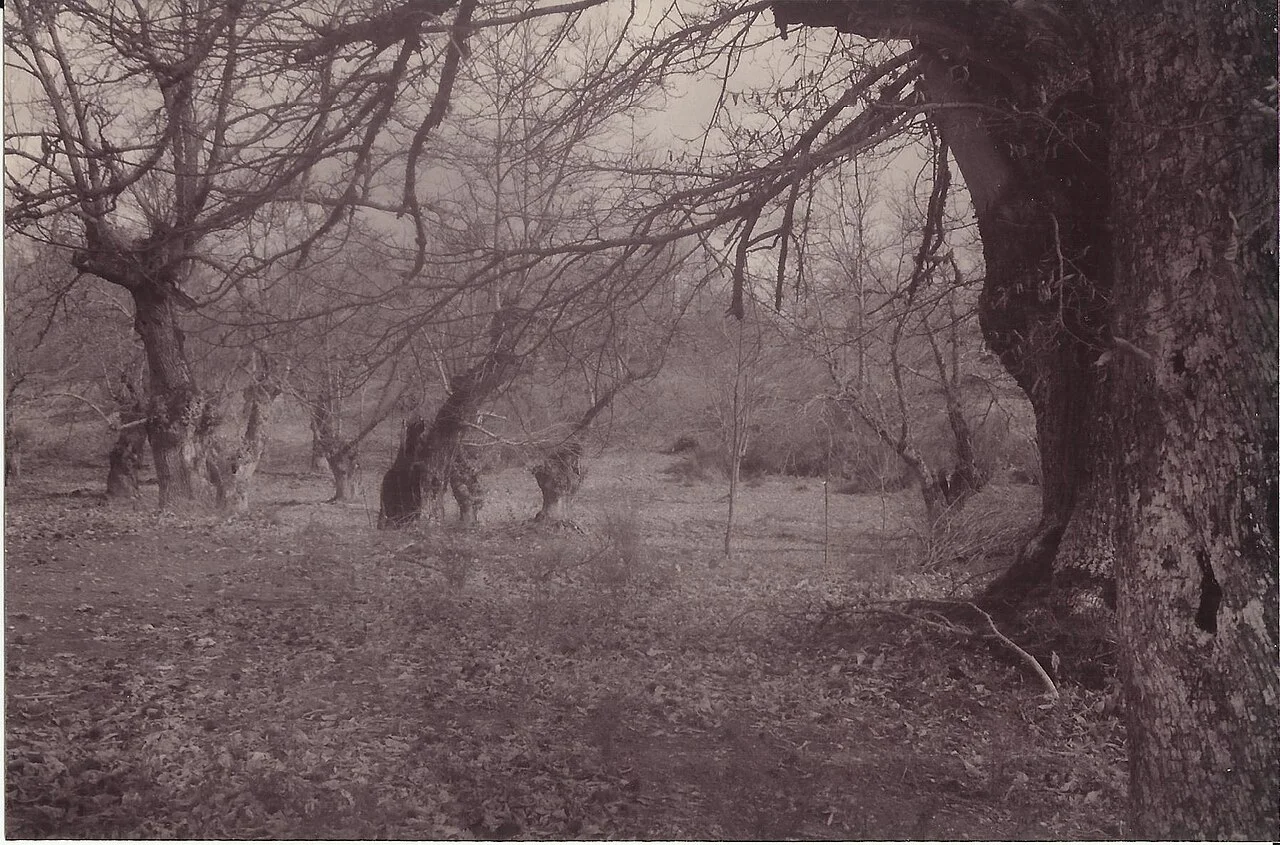
Description
Chestnut groves — soutos — are among Portugal’s most productive mushroom habitats. The European chestnut (Castanea sativa) forms ectomycorrhiza with dozens of fungal species, creating an exceptionally rich fungal community. A scientific study in Bragança recorded 73 macrofungal species in a single chestnut grove, of which 82% were mycorrhizal.
Before the arrival of potatoes from the New World, chestnuts were the dietary staple of northern regions — the tree was called árvore do pão (“bread tree”). Today, chestnuts and mushrooms are the two great “gifts of the forest” in autumn Trás-os-Montes.
Geographic distribution
Main regions
- Trás-os-Montes — the main chestnut region: 75.8% of all chestnut plantations, ~23,000 ha, ~85% of national chestnut production
- Beira Alta — includes the PDO zone “Castanha dos Soutos da Lapa”
- Serra da Estrela — chestnuts on mountain slopes
- Marvão (Alentejo) — a southern isolated population, ~550 ha, PDO “Castanha de Marvão”
Growing conditions
- Soils: acidic to slightly acidic (pH 5–6.5), well-drained
- Climate: humid Atlantic, cooler than the south
- Altitude: 400–900 m
- Total area: ~42,000 ha (reduced from ~80,000 ha due to disease)
Characteristic mushrooms
Edible species
Chestnut forests are among the best places for gathering prized edible mushrooms. Average mushroom income: ~134 EUR/ha/year.
| Species | Portuguese name | Season |
|---|---|---|
| Porcini (Boletus edulis) | Boleto, porcini | September–November, some in spring |
| Bronze bolete (Boletus aereus) | Boleto-de-bronze | Spring + autumn |
| Chanterelle (Cantharellus cibarius) | Cantarela, rapazinhos | Spring + autumn |
| Caesar’s mushroom (Amanita caesarea) | Amanita-dos-Césares | July–November |
| Horn of plenty (Craterellus cornucopioides) | Trompeta-dos-mortos | October–December |
| Parasol mushroom (Macrolepiota procera) | Frade, parasol | Summer–autumn |
| Hedgehog mushroom (Hydnum repandum) | Pé-de-carneiro | Autumn–winter |
Scientific data
A study by IPB (Bragança Polytechnic Institute, 2002–2005) in the Oleiros chestnut grove identified:
| Family | Number of species |
|---|---|
| Russulaceae | 19 |
| Cortinariaceae | 14 |
| Tricholomataceae | 13 |
| Boletaceae | 7 |
Most numerous genera: Russula (12 species), Inocybe (9), Lactarius (7), Tricholoma (6), Boletus (5), Cortinarius (5), Amanita (5).
11 of 73 species exhibit dual-season fruiting (spring + autumn) — a unique feature of chestnut forests.
Dangerous species
- Deadly webcap (Cortinarius orellanus) — also found in chestnut forests
Seasonality
| Season | Months | Main species |
|---|---|---|
| Spring | March–May | Boletus aereus, Cantharellus cibarius, Calocybe gambosa |
| Autumn (main) | October–November | Boletus edulis, Amanita caesarea, Hydnum repandum, Craterellus |
| Winter | December–January | Late Craterellus, Hydnum |
The peak mushroom season coincides with Magusto — the traditional roast chestnut festival held on St Martin’s Day (November 11).
Mycorrhizal networks
Chestnut forests support rich Common Mycorrhizal Networks (CMN):
- A teaspoon of healthy forest soil contains up to 100 metres of fungal hyphae
- Trees allocate up to 30% of photosynthesised carbon to their mycorrhizal partners
- Through the networks, trees exchange sugars, water and signalling molecules
- Mother trees can nourish young seedlings via the mycorrhizal network
- Chestnut groves serve as biodiversity bridges for ecosystem recovery after fires
Read more: Mycorrhiza
Threats
Ink disease (Doença da Tinta)
Caused by Phytophthora cinnamomi (oomycete). Introduced to Portugal in 1838. Reduced chestnut forest area by nearly half — from 80,000 to ~42,000 ha. Symptoms: chlorosis → defoliation → crown dieback → tree death.
Notably, a project in Marvão has launched mycorrhization of 53 ha of chestnuts with Boletus spp. — mycorrhizal fungi protect roots from Phytophthora.
Chestnut blight (Cancro do Castanheiro)
Caused by Cryphonectria parasitica — an invasive pathogen. First detected in Portugal in 1989. Found in 56.5% of surveyed groves. The only effective control method is biological control through hypovirulence (infecting the pathogen with a hypovirus).
Practical tips
- Best regions: Bragança, Vinhais, Valpaços, Chaves (Trás-os-Montes)
- Best time to visit: late October – early November (peak season + Magusto)
- Look under old trees — centuries-old chestnuts support the richest mycorrhizal networks
- Spring visit — a second chance: Boletus aereus, Cantharellus cibarius, Calocybe gambosa
- Stay alert: Amanita phalloides grows in the same spots as edible species
Image sources
- chestnut-forests.webp — Chestnut grove (souto) in Bragança region, Portugal. Author: Garsd. License: CC BY-SA 3.0. Source
Sources
- Baptista P. et al. — Diversity and fruiting pattern of macrofungi associated with chestnut (Castanea sativa) in the Trás-os-Montes region // Fungal Ecology, 2009
- CCRES — Cogumelos silvestres em Portugal
- DGADR — Produtos Tradicionais Portugueses: Cogumelos Silvestres
- INIAV — Portuguese Castanea sativa Genetic Resources
- Gouveia E. et al. — Cancro do Castanheiro em Trás-os-Montes // IPB Bragança
If this article was useful — help us write the next one.
☕ Support on Ko-fi