Basic Safety Rules
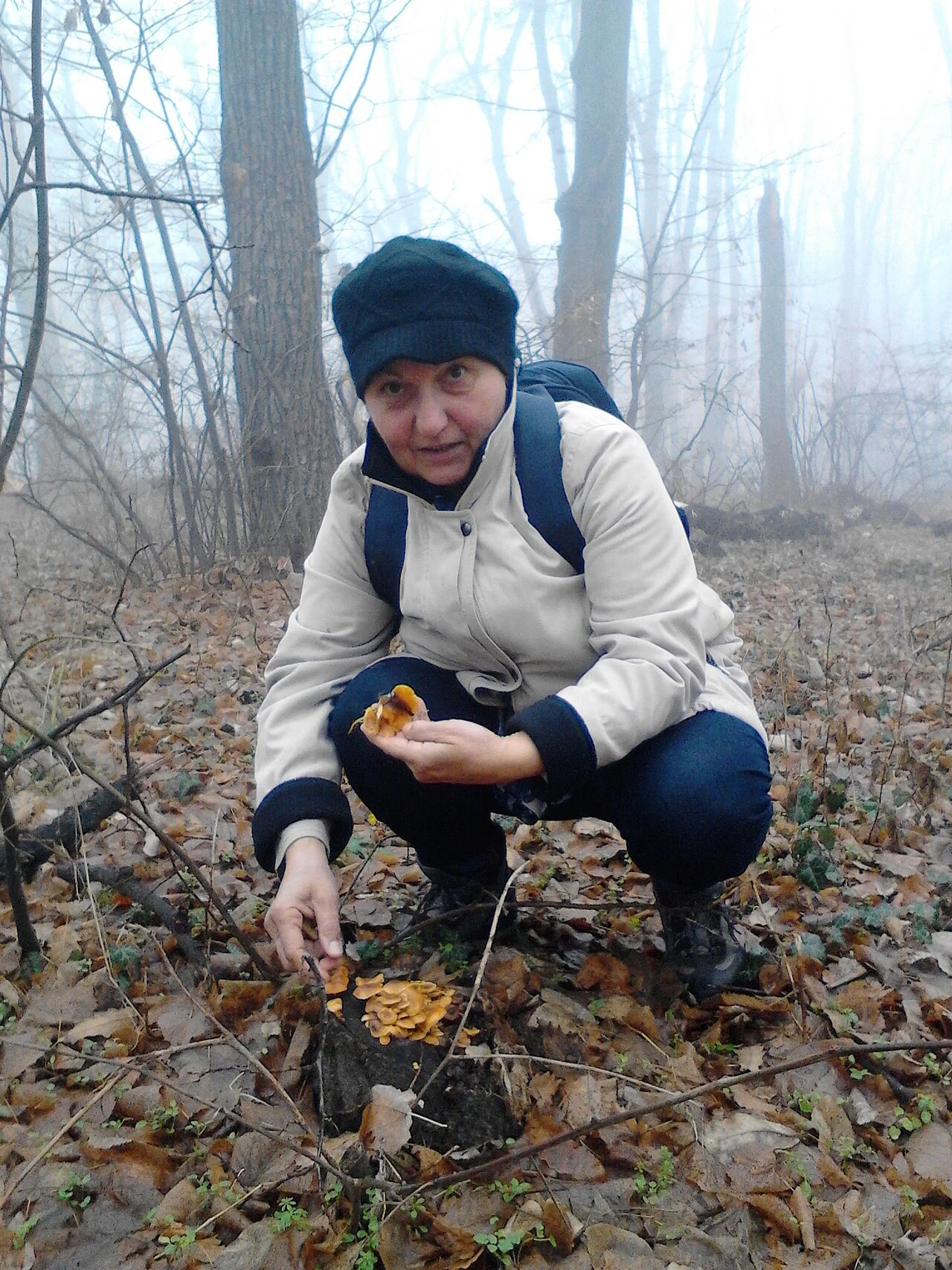
The Golden Rule
When in doubt, leave it out. This is the single most important rule. If you cannot identify a mushroom with absolute certainty — leave it in the forest. No mushroom is worth risking your health or life.
10 Rules for Safe Foraging
1. Learn from experienced people
Books and the internet are useful supplements, but not a substitute for hands-on practice with an experienced mycologist or forager. Join local mycological associations (see Mycological associations), attend organized forays, and learn to identify mushrooms in the field.
2. Only collect species you know well
Beginners should limit themselves to 3–5 species they can identify with confidence. It’s better to come home with a basket of three reliable species than twenty questionable ones.
3. Study dangerous look-alikes
Before collecting an edible species, study its dangerous look-alikes. Many deadly poisonous mushrooms closely resemble edible ones. Classic example: the death cap (Amanita phalloides) can be mistaken for a field mushroom or Caesar’s mushroom.
4. Check all identifying features
Don’t rely on a single feature (colour, shape, size). Reliable identification requires checking a combination of features:
- Shape, colour, and size of the cap
- Type of hymenophore (gills, tubes, spines)
- Shape and colour of the stem, presence of ring and volva
- Colour and smell of the flesh, colour change when cut
- Spore print
- Location and time of year
5. Collect whole specimens
Always dig up the mushroom in its entirety, including the base of the stem. The volva (sac-like wrapper at the base) is the most important feature for the genus Amanita, which includes both deadly and edible species. Cutting the mushroom at the surface may cause you to miss this crucial feature.
6. Don’t mix species in your basket
Keep different species separate. If one mushroom turns out to be poisonous, its spores and fragments can contaminate the rest. Use a basket with dividers or separate paper bags.
7. Avoid very young and very old specimens
- Young mushrooms (in the “egg” stage) are often impossible to identify reliably — Caesar’s mushroom and the death cap can look identical at an early stage
- Old mushrooms may be wormy, decomposing, or contain bacterial toxins
8. Use proper containers
Collect mushrooms in a wicker basket (not a plastic bag). In a bag, mushrooms deteriorate quickly, overheat, and can cause bacterial food poisoning even if the species itself is edible.
9. Cook mushrooms on the day of collection
Don’t store fresh mushrooms for more than a day. Some edible mushrooms become toxic with prolonged storage. Conditionally edible species (morels, honey fungus) must be cooked thoroughly — see specific recommendations in species articles.
10. Keep a sample
When collecting a species that is new to you — keep one raw specimen in the refrigerator (in a paper bag, separate from cooked ones). In case of poisoning, this will help doctors diagnose and treat you faster.
What to do if poisoning is suspected
- Call 112 immediately (the universal emergency number in Portugal)
- Call CIAV (Centro de Informação Antivenenos): 800 250 250 (free, available 24/7)
- Do not try to induce vomiting
- Save any remaining mushrooms (raw and cooked) for identification
- Note the time of consumption and onset of symptoms
For more details, see First aid for poisoning.
Common myths
| Myth | Reality |
|---|---|
| “If a silver spoon doesn’t darken, the mushroom is safe” | Silver tarnishing is caused by sulphur compounds unrelated to toxicity |
| “Poisonous mushrooms taste bitter” | The death cap (A. phalloides) has a pleasant taste |
| “If a slug eats it, it’s safe” | Animals have different sensitivity to toxins |
| “Boiling/pickling neutralises the poison” | Amatoxins (death cap) are heat-stable and not destroyed by cooking |
| “Young mushrooms are never poisonous” | The death cap is toxic at every stage of development |
Image sources
- safety-rules.webp — Proper mushroom foraging — with a basket and knife. Author: Prirodnjak. License: CC BY-SA 4.0. Source
Sources
- CIAV — Centro de Informação Antivenenos (INEM Portugal)
- Sociedade Portuguesa de Micologia
- European Food Safety Authority (EFSA) — Risk assessment of wild mushrooms
- Direcção-Geral de Saúde — Recomendações sobre colheita de cogumelos silvestres
Disclaimer: Identifying mushrooms from descriptions and photographs on the internet is not a substitute for consulting an experienced mycologist. The authors assume no responsibility for the consequences of collecting and consuming mushrooms.
If this article was useful — help us write the next one.
☕ Support on Ko-fi