Mushroom Ecology
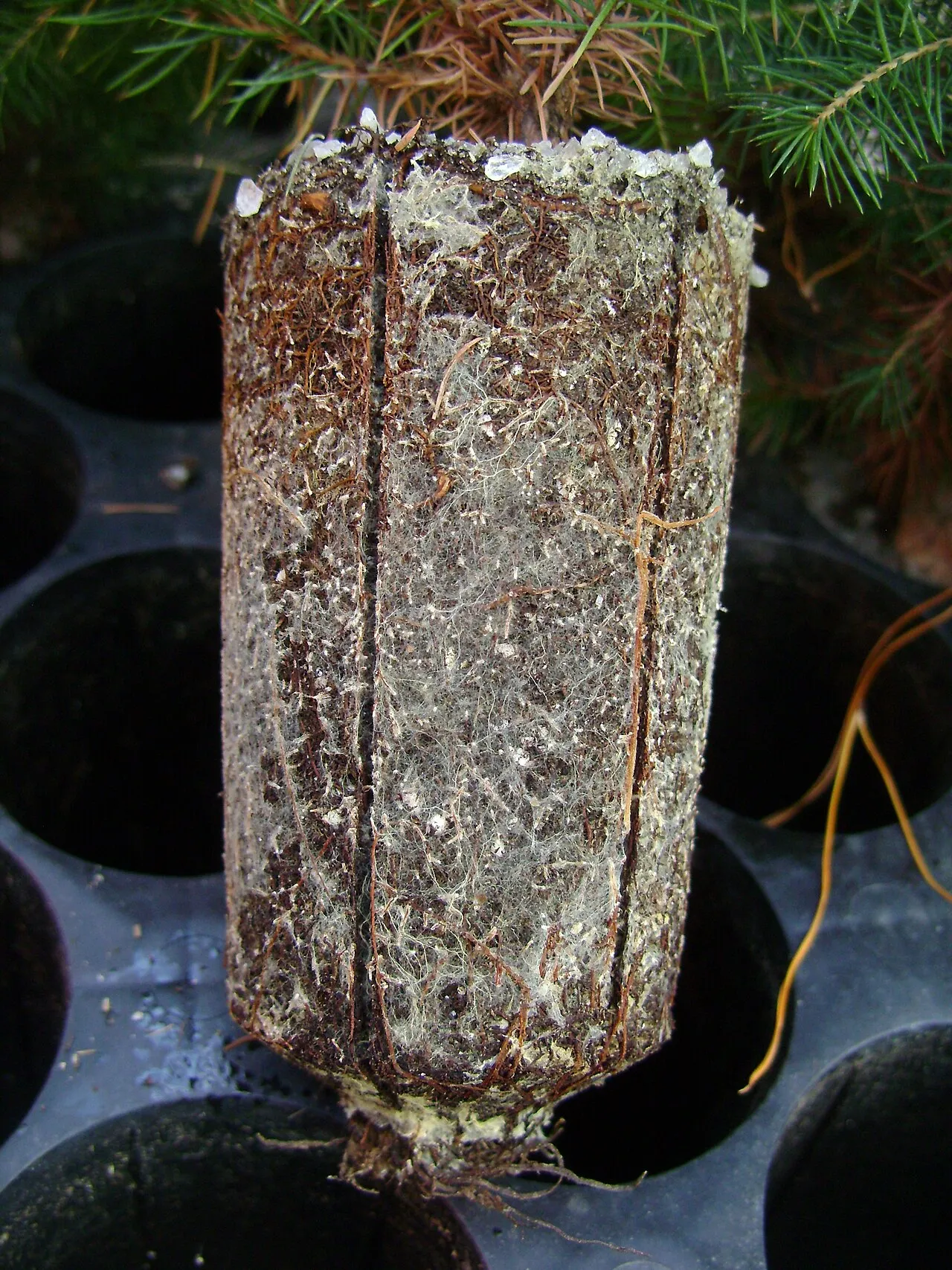
Fungi — the invisible ecosystem engineers
Fungi perform three fundamental roles in nature: they decompose dead organic matter, form symbioses with plants, and regulate populations through parasitism. Without fungi, Portugal’s forests, meadows, and soils could not exist.
Three ecological roles
1. Saprotrophs — the recyclers
Saprotrophic fungi decompose dead organic matter: fallen leaves, wood, dung. Without them, the planet would be buried under undecomposed remains.
What they decompose:
- Cellulose — the main component of plant cell walls
- Lignin — the “glue” of wood. Only fungi (primarily basidiomycetes) can effectively decompose lignin
- Chitin — fungal cell walls and insect exoskeletons
Types of wood decay:
| Type | What is decomposed | Result | Examples |
|---|---|---|---|
| White rot | Lignin and cellulose | Soft white mass | Trametes versicolor, oyster mushroom |
| Brown rot | Cellulose only | Crumbly brown cubes | Fomitopsis pinicola, Laetiporus |
| Soft rot | Cellulose (in high moisture) | Softened wood | Ascomycetes |
Without lignin-degrading fungi, the Earth would once again accumulate deposits of intact wood — as in the Carboniferous period, before lignin-degrading fungi had evolved.
2. Mycorrhizal — tree partners
Mycorrhizal fungi form symbioses with tree roots. In Portugal’s ecosystems, this is particularly important:
- In montado — mycorrhiza helps oaks survive summer drought
- In pine forests — pines cannot develop properly on poor sandy soils without mycorrhiza
- In chestnut forests — mycorrhizal networks ensure forest resilience
3. Parasites — the regulators
Parasitic fungi attack living organisms. Although this sounds negative, they play an important ecosystem role — regulating populations and accelerating nutrient turnover.
Examples:
- Honey fungus (Armillaria mellea) — attacks weakened trees, accelerating their replacement by younger ones
- Cordyceps — parasitises insects, regulating their numbers
- Ophiostoma novo-ulmi — the causative agent of Dutch elm disease
Fungi and nutrient cycling
Carbon cycle
Fungi are key participants in the carbon cycle:
- Decompose organic matter, releasing CO₂ into the atmosphere
- Store carbon in mycelium and humus
- Transfer carbon between trees through mycorrhizal networks
It is estimated that the world’s mycorrhizal fungi receive approximately 5 gigatons of carbon annually from trees — comparable to annual anthropogenic CO₂ emissions.
Nitrogen and phosphorus cycles
- Mycorrhizal fungi extract nitrogen and phosphorus from soil and transfer them to trees
- Saprotrophic fungi release nitrogen and phosphorus from decomposing organic matter
- Some fungi can break down mineral rocks, releasing micronutrients
Fungi in Portuguese ecosystems
Mediterranean forests
The Mediterranean climate with hot dry summers and mild rainy winters determines a unique fungal seasonality:
- Main season: October–January (after autumn rains begin)
- Secondary season: March–May (spring species: morels)
- Summer dormancy: June–September (mycelium persists in soil)
Fire ecology
Forest fires are a serious ecological problem in Portugal. Fungi play an important role in post-fire recovery:
- Pyrophilic species (Pyronema, Geopyxis, Morchella) — first to appear on burned areas
- Mycorrhizal fungi re-establish connections with young trees within 1–3 years after fire
- Full recovery of the fungal community may take 10–30 years
Eucalyptus plantations
Massive eucalyptus plantations (Eucalyptus globulus) in Portugal significantly affect fungal communities:
- Eucalyptus forms mycorrhiza predominantly with Australian fungal species
- Fungal species diversity in eucalyptus plantations is significantly lower than in native forests
- Eucalyptus litter decomposes more slowly due to essential oil content
Climate change
Climate change is affecting Portugal’s fungal communities:
- Shift in fruiting season — autumn season begins later
- Reduced precipitation — lower yields of mycorrhizal mushrooms
- Mediterranean species advancing northward
- Increased fire frequency — destruction of fungal communities
Fungi and biodiversity
Fungi support biodiversity at many levels:
- Food for animals — slugs, insects, squirrels, deer, wild boar
- Habitat — hundreds of insect species live in fruiting bodies and mycelium
- Regulation — parasitic fungi control pest populations
- Soil formation — mycorrhizal fungi improve soil structure
Image sources
- ecology.webp — Ectomycorrhiza — fungal mycelium on tree roots. Author: Silk666. License: CC BY-SA 3.0. Source
Sources
- Dighton J. — Fungi in Ecosystem Processes (2nd ed.), CRC Press
- Pereira H. — Cork Oak Woodlands on the Edge // Island Press
- Baptista P. et al. — Soil fungal communities in Portuguese forests // Forest Ecology and Management
- Hawksworth D.L. — The magnitude of fungal diversity // Mycological Research
- Azul A.M. et al. — Diversity and ecology of ectomycorrhizal fungi in Quercus suber ecosystems // Mycorrhiza
All our knowledge is free. Creating it is not.
☕ Support on Ko-fi