Setúbal Mushroom Walking Routes
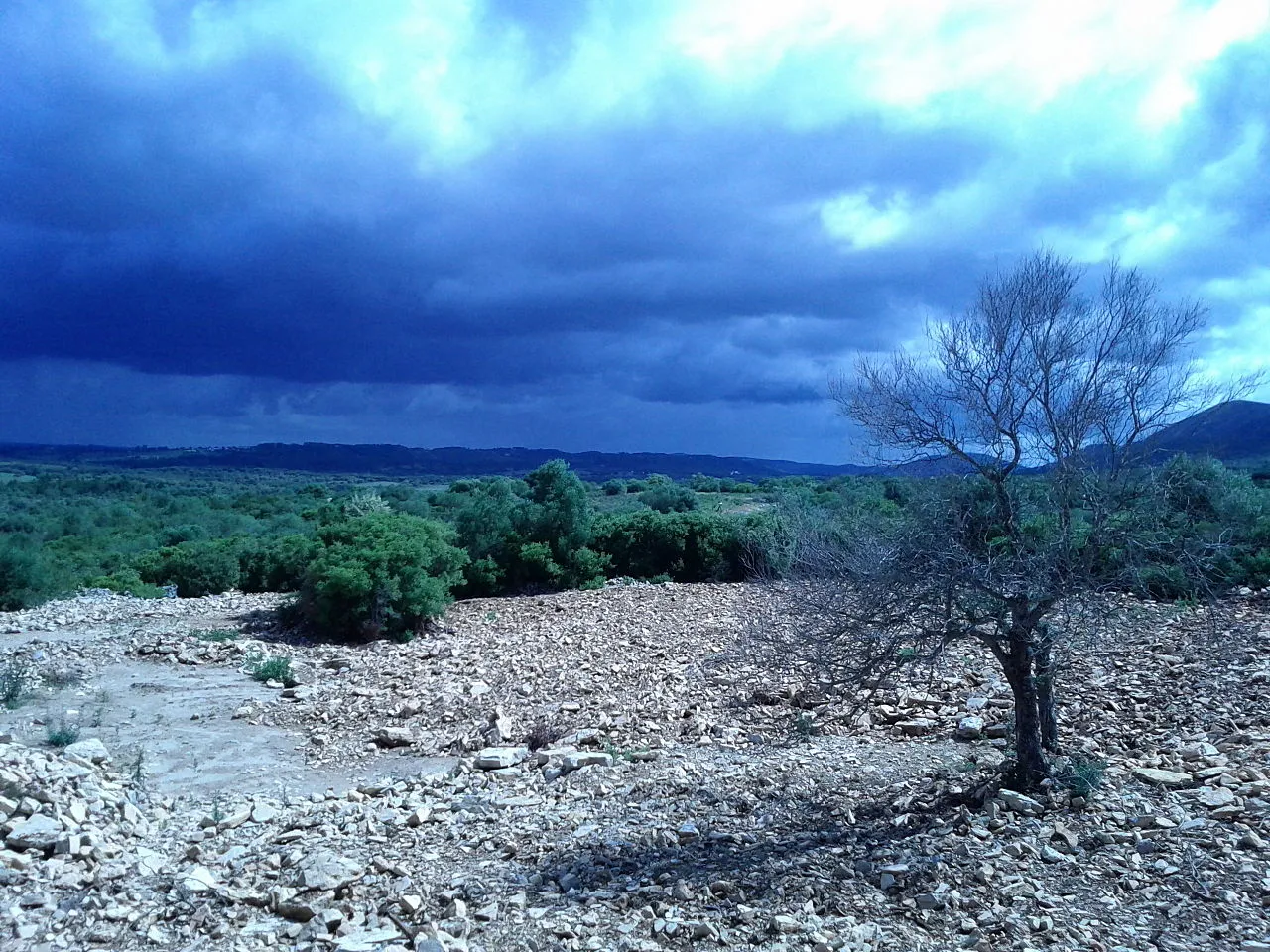
Walking routes of the peninsula
The Setúbal Peninsula is a compact territory with three contrasting ecosystems. This means you can visit the limestone forests of Arrábida, the coastal pine woods and the meadows around the Sado Estuary in a single weekend.
Route 1: Serra da Arrábida (oak forests)
PR2 SSB — Cabo Espichel
- Distance: ~10 km (circular)
- Difficulty: moderate
- Start: Sesimbra
- Ecosystems: limestone cliffs, maquis, coastal vegetation
- Mushroom potential: Russula, Cortinarius, Lactarius under oaks; Amanita caesarea on slopes
The trail follows the coast to Cabo Espichel. The best mushroom areas are in sheltered valleys with oaks (Quercus coccifera, Q. faginea) on the north slope.
PR1/PR3 SSB — Chã dos Navegantes
- Distance: ~5 km (circular)
- Difficulty: moderate–high (steep descents over limestone blocks)
- Start: Sesimbra area
- Ecosystems: limestone cliffs, relict maquis
- Notes: the trail crosses an ancient marine terrace (~100,000 years old)
Steep sections and dense maquis make it hard to leave the trail. Look for mushrooms in areas with more open vegetation.
Arrábida Walking Festival trails
- When: late March (usually 25–27 March)
- Organiser: Biotrails + municipalities of Palmela, Setúbal, Sesimbra
- Format: 40+ activities: hiking, botany, gastronomy, winemaking
- Mushroom focus: not a dedicated topic, but botanical walks include fungi in the ecosystem context
- Website: biotrails.pt
Route 2: Coastal pine forests (milk caps and slippery jacks)
Mata Nacional dos Medos
- Distance: 3–5 km (several routes)
- Difficulty: easy
- Start: car park at the Apostiça gate
- Ecosystems: centuries-old stone pines (Pinus pinea), sand dunes, coastal vegetation
- Mushroom potential: Suillus, Lactarius deliciosus, Pisolithus (dunes)
Mata dos Medos is a national forest planted by order of King João V in the 18th century to stabilise the dunes. The centuries-old stone pines create a picturesque canopy. Boardwalks were renovated in 2023.
How to get there: from IC21 road (Costa da Caparica → Sesimbra)
Coast from Sesimbra → Cabo Espichel
- Distance: 5–15 km (linear, by sections)
- Difficulty: easy–moderate
- Ecosystems: pine forests (Pinus pinaster) along the road
- Mushroom potential: saffron milk caps, slippery jacks, Boletus pinophilus
- Access: road to Cabo Espichel, several turn-offs to forest tracks
The pine forests along the Sesimbra–Cabo Espichel road are one of the best spots for saffron milk caps. Look for young pine stands on sandy soil.
Route 3: Lagoa Pequena (Sesimbra)
- Distance: 2–4 km
- Difficulty: easy
- Start: Espaço Interpretativo da Lagoa Pequena (EILP)
- Ecosystems: coastal lagoon, pine forest, maquis
- Mushroom potential: diverse — from dune to forest species
Lagoa Pequena hosts organised mushroom walks by CM Sesimbra. During a BioBlitz, 84+ new species were discovered here in just a few hours.
Route 4: Tróia Peninsula
- Distance: variable
- Difficulty: easy
- Start: ferry from Setúbal to Tróia (Atlantic Ferries, ~20 min, hourly)
- Ecosystems: sand dunes, pine forests (Pinus pinea, P. pinaster), transition to estuary
- Mushroom potential: Suillus, Lactarius deliciosus, Pisolithus, Rhizopogon
Note: much of Tróia is a resort area with restricted access. The best forest areas are south of Comporta.
How to get there: Atlantic Ferries (Setúbal → Tróia) or by road via Alcácer do Sal
Organised mushroom events
EcoFungos (Seixal)
- What: walks, tastings, mushroom identification training
- Where: Parque Metropolitano da Biodiversidade (Seixal)
- Format: “EcoFungos no Parque” — introduction to mycology + mushroom snack tasting
- Contact: [email protected]
- Address: Rua Sta Teresinha, 7 - 3º andar, Esq., Seixal 2840-399
CM Sesimbra — courses and walks
“Introdução ao Mundo dos Cogumelos e Algo Mais…”:
- Saturday (usually November), 9:30–16:00
- Location: EILP (Espaço Interpretativo da Lagoa Pequena)
- Leader: António da Cruz (amateur mycologist)
- Trainers: Rui Simão (EcoFungos), Jorge Rodrigues, Paulo Trigo
- Cost: €10–15
- Limit: 15 participants
Curso de Colheita de Cogumelos Silvestres (CIPA):
- 4 sessions (Fri + Sat × 2 weeks)
- Location: CIPA, Rua Sacadura Cabral, Quinta do Conde
- Tel: 21 180 91 03, email: [email protected]
“Fantástico Mundo dos Cogumelos”:
- Route at EILP with a specialist (usually October)
- 9:30–11:30, free
Aromas & Boletos
- What: national company organising passeios micológicos across Portugal
- Format: group walks with a professional mycologist
- Products: dried mushrooms, mycorrhizal powder, truffle products
- Website: boletosdeorum.pt
- Schedule: updated on website (passeios micológicos section)
ICNF — formal training
- What: Formação em Micologia with professional certificates
- Programme: taxonomy, toxicology, practical foraging
- Website: icnf.pt (training section)
Season and weather
| Month | Mushrooms? | Temperature | Rain | Recommendation |
|---|---|---|---|---|
| October | ★★★ | 18–22°C | Rains begin | Best time — if autumn isn’t dry |
| November | ★★★ | 14–18°C | Regular rain | Peak season, organised events |
| December | ★★ | 10–15°C | Wet | Good but cold mornings |
| January | ★ | 8–13°C | Wet | Few species but finds possible |
| February | ★ | 9–14°C | Variable | Spring species begin (Terfezia) |
| March | ★★ | 12–17°C | Moderate | Spring species, Walking Festival |
| Apr–Sep | ☆ | 15–28°C | Dry | Virtually no mushrooms |
What to bring
- Basket (wicker) — mandatory by law in protected areas
- Knife — to cut mushrooms at the base
- Field guide — book or app (iNaturalist, Seek)
- GPS / phone — mark your finds
- Water and snacks — no shops in rural areas
- Hiking boots — sand and limestone are slippery after rain
More: Forager’s equipment
Image sources
- walks.webp — Landscape of Arrábida Natural Park, Portugal. Author: FakenMC. License: CC BY-SA 3.0. Source
Sources
- CM Sesimbra — Percursos Pedestres (PR1 SSB, PR2 SSB, PR3 SSB)
- AllTrails — Mata Nacional dos Medos trails
- Biotrails — Arrábida Walking Festival
- CM Sesimbra — Introdução ao Mundo dos Cogumelos
- EcoFungos — [email protected]
- Aromas & Boletos — boletosdeorum.pt
- ICNF — Formação em Micologia
- VagaMundos — Trilhos Serra da Arrábida: melhores percursos
If this article was useful — help us write the next one.
☕ Support on Ko-fi